Regents Canal upholstery cleaning after boat party Camden
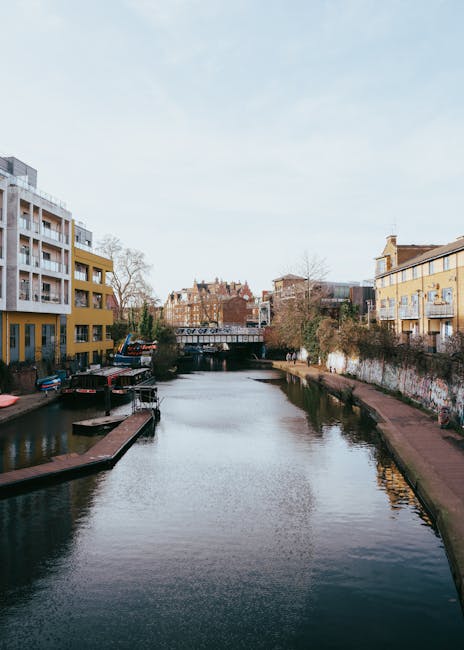
If you have just hosted a boat party near the Regent's Canal in Camden, you already know the aftermath can be a bit of a mess. Spills on seats, sticky patches on cushions, damp smells from drinks or rain, and that one mystery stain nobody wants to claim. Regents Canal upholstery cleaning after boat party Camden is not just about making things look tidy again; it is about protecting fabrics, keeping odours from settling in, and getting your space back to normal without dragging the problem out for days.
Whether the upholstery is on a canal boat, in a riverside venue, or in a nearby flat used before or after the event, the same rule applies: the sooner you deal with the marks, the better the result. In this guide, we will walk through how the cleaning process works, what to expect, the common mistakes people make, and how to decide whether a DIY approach is enough. Straightforward, practical, no fluff.
One quick note: upholstery cleaning after a party is a different beast from a routine tidy-up. Wine, beer, food grease, makeup, and wet fabrics can settle quickly. Leave them too long and you can end up chasing odours rather than stains. Not ideal, to put it mildly.
Why Regents Canal upholstery cleaning after boat party Camden Matters
After a boat party, upholstery often takes the hit long after the music stops. Drinks spill when the boat rocks, guests sit down with damp jackets, food gets brushed into cushions, and condensation from the water can make fabrics feel clammy. If you are near the canal, there is also the practical Camden factor: lively venues, busy walkways, narrow access points, and the sort of end-of-night rush where cleaning gets delayed because everyone is tired and wants to go home. Fair enough. But the fabric does not care that the night was a success.
The biggest reason this matters is simple: upholstery fibres absorb liquid quickly. Once that happens, stains can spread below the surface and odours can linger in the padding. You might wipe away the visible mark and still have a sour smell two days later. That is the part people miss. The surface may look better, but underneath, the problem can be brewing.
There is also the risk of permanent damage. Bright drinks can discolour light fabrics. Greasy food can bond with fibres. If someone has tracked in canal-side grit or mud, rubbing it in can scar delicate materials. And if the upholstery is leather, faux leather, velvet, cotton blend, or performance fabric, each one reacts differently. A one-size-fits-all approach is where trouble starts.
Practical takeaway: after a party, upholstery cleaning is less about perfection and more about speed, fabric care, and stopping a small spill from becoming a long-term headache.
If you are already planning a wider clean-up for a flat, office, or rental property in the area, it can help to look at the broader service pages too, such as upholstery cleaning and stain removal. Those pages are useful when the issue is not just one mark but several different spots across the room.
How Regents Canal upholstery cleaning after boat party Camden Works
The process usually begins with inspection. A good cleaner will check the fabric type, the extent of the spill, the age of the stain, and whether any previous treatments have already been used. That matters more than people think. If you start cleaning without knowing the material, you can set a stain or flatten the pile. Nobody wants that slightly shiny patch that screams, "someone went in with the wrong spray."
After inspection, the technician typically tests the cleaning solution on a small hidden area. This is especially important for delicate or dyed fabrics. Then the fabric is pre-treated based on the problem: drink spills, food residues, body oils, or general party grime. Pre-treatment loosens the dirt so the main clean can work more evenly.
Depending on the fabric and condition, the cleaner may use hot water extraction, low-moisture cleaning, steam-based methods, or targeted spot cleaning. For some items, especially more delicate pieces, controlled hand cleaning is the safer route. For others, a deeper extraction may be needed to remove residues from drinks and food that have sunk into the fibres.
Drying is the final part, and it is a bigger deal than many expect. Upholstery that stays damp too long can develop a musty smell, and in closed Camden flats or boat interiors, airflow can be limited. Fans, open windows when possible, and sensible ventilation all help. If the weather is chilly or the space is tight, drying may take longer. That is just reality.
In a canal-side setting, the cleaner also has to think about access, power availability, water handling, and the movement of the boat or property. Sometimes the smartest method is the one that uses less water and more precision.
Key Benefits and Practical Advantages
Done properly, upholstery cleaning after a boat party gives you more than a nicer-looking sofa or bench seat. It can genuinely save you money and stress. Here is what people usually value most.
- Freshens the room fast: party smells from alcohol, food, sweat, and damp fabrics can linger. Cleaning removes the source rather than masking it.
- Helps prevent permanent staining: fast action on wine, cocktails, sauces, and makeup gives you a much better chance of recovery.
- Protects fabric texture: the right method helps keep fibres from flattening, stiffening, or becoming patchy.
- Improves guest comfort: if you are managing a rental, shared flat, or event venue, clean seating changes the whole feel of the place.
- Supports longer fabric life: regular, correct cleaning reduces wear from trapped grit and residue.
- Reduces odour build-up: the padding and underlayers are often where smells hide, not the visible surface.
There is also the less obvious benefit: peace of mind. After a lively night on or near the canal, it is nice to know the upholstery has been properly assessed instead of just wiped over in a rush. You can breathe easier, literally and mentally.
Who This Is For and When It Makes Sense
Not every spill needs a specialist visit, but some situations are worth dealing with properly. Regents Canal upholstery cleaning after boat party Camden makes sense if any of the following sound familiar:
- you hosted a party on a canal boat and seats were exposed to drinks, food, or muddy footwear;
- you are managing a Camden venue or rental where guests used soft furnishings heavily;
- the upholstery smells stale, sour, or damp the next morning;
- there are visible stains on sofas, bench cushions, dining chairs, or banquettes;
- you have delicate fabric that you do not want to damage with harsh household cleaners;
- the party was busy enough that you are not even sure what spilled where.
It also makes sense for landlords, Airbnb hosts, event hosts, and housemates who split cleaning duties after a shared celebration. Truth be told, the "we will sort it tomorrow" plan can turn into "why does it still smell like last night?" very quickly.
If the upholstery is part of a fuller property reset, you might also want to read the company's broader service information on sofa cleaning and carpet cleaning. Party mess tends to travel. It rarely stays in one place, annoyingly.
Step-by-Step Guidance
Here is a practical way to think about the process from the moment the party ends.
- Check the fabric type. Look for care labels or note whether the material feels like velvet, cotton, linen, synthetics, leather, or a coated finish. If you are not sure, assume caution.
- Remove loose debris first. Crumbs, confetti, and dry residue should be lifted carefully before any liquid treatment. A soft brush or vacuum with an upholstery attachment is usually the starting point.
- Blot, do not rub. If a spill is still wet, blot it with clean white cloths. Rubbing pushes the stain deeper and can roughen the fabric.
- Identify the stain type. Drinks, grease, food, ink, and body oils all behave differently. A wine stain is not treated the same way as a greasy pastry mark.
- Spot test any cleaner. Apply to a hidden area first. Wait and check for colour change, fading, or texture damage.
- Apply the correct pre-treatment. Use a fabric-safe product that matches the stain and upholstery type. Less can be more here.
- Deep clean with the right method. Extraction, low-moisture cleaning, or controlled steam may be used depending on the fabric and condition.
- Control moisture carefully. Over-wetting is a common error. It can cause rings, long drying times, or lingering odour.
- Dry thoroughly. Ventilation matters. Open windows if suitable, use fans where safe, and keep cushions spaced out where possible.
- Reassess once dry. Some stains lighten after drying but do not disappear fully. A second targeted treatment may be needed.
A small but useful point: if you are cleaning on a boat or in a tight canal-side property, think about movement, storage, and access before you start. Carrying damp cushions through narrow corridors is a bit of a nuisance, especially when everyone is half packing up and half looking for a phone charger.
Expert Tips for Better Results
There are a few habits that make a real difference, and they are not glamorous. Still, they work.
Act early, even if you cannot do the full clean yet
Removing the top layer of spill residue straight away prevents the stain from setting. If you cannot fully clean the item that night, at least blot, lift debris, and keep the area ventilated. A partially handled stain is far better than a fully ignored one.
Use the lightest effective method
People sometimes assume stronger cleaning means better cleaning. Not always. On some fabrics, too much liquid or aggressive scrubbing can leave a larger mark than the original spill. The aim is controlled cleaning, not a heroic assault on the cushion.
Mind the padding
Surface stains are one thing; soaked fillings are another. If liquid has gone through to the padding, it may need deeper extraction and more drying time. A faint smell often means the underlayer still has residue.
Watch for colour transfer
Party settings can be full of dyed drinks, clothing dye, makeup, and decorative items. If a cushion picks up colour from wet fabric or a napkin, treat it quickly. Waiting usually makes colour migration harder to remove.
Ventilate the space, properly
Fresh air helps, but in canal-side homes or boats, airflow can be unpredictable. Use whatever safe ventilation is available and allow enough time. Drying too fast with heat alone can sometimes leave tide marks. A balanced approach is better.
Keep a small emergency kit
In our experience, the best party hosts are not the ones who never have spills. They are the ones who are ready for them. White microfibre cloths, a soft brush, clean towels, and a fabric-safe spot treatment can save the evening. Nothing fancy. Just useful.
Common Mistakes to Avoid
Most upholstery damage after a party comes from well-meant but rushed decisions. A few errors show up again and again.
- Scrubbing too hard: this can spread the stain and damage the pile or weave.
- Using the wrong product: bleach, strong detergents, or untested sprays can strip colour or leave residue.
- Soaking the fabric: more water is not always better, especially on padded or delicate furniture.
- Ignoring the smell: if it still smells after drying, the issue may be below the surface.
- Leaving stains overnight: time makes many party stains harder to remove.
- Skipping a spot test: this is how small jobs turn into regretful ones. A tiny test first saves a lot of grief later.
Another common mistake is trying to clean every fabric the same way. Velvet needs a different touch from synthetic banquet seating. Leather is different again. If you are not sure, that uncertainty is a clue to slow down, not speed up.
Tools, Resources and Recommendations
You do not need a van full of equipment to deal with post-party upholstery care, but a few sensible tools make life easier.
| Tool or Resource | What it helps with | Best use case |
|---|---|---|
| Upholstery attachment vacuum | Lifts crumbs, dust, and loose debris | Before any wet cleaning |
| White microfibre cloths | Blotting spills without dye transfer | Fresh drinks, sauces, makeup |
| Soft fabric brush | Gentle lifting of surface dirt | Textured upholstery and pile fabrics |
| Fabric-safe stain remover | Targets specific marks | Localised stains after spot testing |
| Fans and ventilation | Speeds drying | Closed rooms or canal boats |
| Professional upholstery service | Deeper treatment and safer handling | Large spills, odours, delicate fabrics |
For broader property care, it can also help to read about steam carpet cleaning and pet stain odour removal. They are different jobs, of course, but the thinking overlaps: remove the source, treat the fibres carefully, and do not let odour sit in the material for too long.
If you are comparing providers, the pages on pricing and quotes and contact us may help you understand what information to have ready before booking. Measure the area, note the fabric type if you know it, and list the stains honestly. That saves time for everyone.
Law, Compliance, Standards, or Best Practice
For upholstery cleaning after a boat party, there usually is not a complex legal checklist in the way there might be for some trades. Even so, there are sensible standards and duties worth following, especially in shared buildings, rented properties, or commercial settings.
First, safe handling of cleaning products matters. Follow product instructions carefully and avoid mixing chemicals. That sounds obvious, but people do not always behave as if it is. If a space has poor ventilation, use extra caution with sprays and solvents. If anyone involved has allergies or sensitivities, lower-odour methods are often the kinder choice.
Second, if you are cleaning in a managed property, rental, or venue, keep an eye on building rules and access requirements. Some canal-side properties have limited access, shared entrances, or noise considerations. Early-morning machines and loud extraction units may not be ideal if neighbours are close by.
Third, good practice means treating fabrics according to their care needs rather than forcing a standard method. That is part of basic professional responsibility. If a cleaner claims every fabric can be handled the same way, you should be cautious. It is usually not that simple.
For service standards, customers often expect clear pricing, transparent communication, and appropriate insurance. It is sensible to check a company's insurance and safety information, along with their health and safety policy. If you are booking cleaning in a shared or commercial environment, these details are not red tape; they are part of basic due care.
And if you care about how waste water or packaging is handled, you may also want to review the company's recycling and sustainability approach. Small thing? Maybe. But people do notice.
Options, Methods, or Comparison Table
There are usually three realistic approaches after a party: a quick DIY refresh, a targeted spot clean, or a professional deep clean. Which one fits depends on the fabric, the scale of the mess, and how much risk you are willing to take.
| Method | Best for | Pros | Limitations |
|---|---|---|---|
| DIY light clean | Fresh small spills, minor crumbs, surface marks | Fast, low cost, immediate action | Can miss deep odours or set stains if done badly |
| Targeted spot treatment | Visible stains on a known fabric type | More precise, less invasive | Needs correct product and technique |
| Professional upholstery clean | Multiple stains, delicate fabrics, lingering smells | Safer for tricky materials, deeper results | Higher cost than DIY, may need drying time |
If you are deciding between them, ask yourself three questions. Is the stain fresh? Do I know the fabric? Is the smell already setting in? If the answer to any of those is "not really", professional help usually becomes the safer bet.
A practical example: a lightly marked synthetic sofa in a rented Camden flat may respond well to quick spot treatment and airflow. A velvet bench seat on a canal boat after a late celebration? That is much more likely to need careful, specialist handling. Different problem, different plan.
Case Study or Real-World Example
Picture a small boat party near the Regent's Canal on a warm Friday evening. Drinks are flowing, people are laughing, and by midnight the cushions have taken a few spills. There is a bit of red wine near one seam, a greasy food mark on another seat, and the usual damp smell from jackets hanging too close together. Nothing catastrophic, but enough to become annoying by morning.
The first step is to stop the stain from settling. The host blots what they can, removes loose crumbs, and keeps the hatch open for ventilation where possible. The next day, after checking the upholstery fabric, a careful spot test is done before any cleaner is used. The wine mark lifts fairly well, but the greasy patch needs more targeted treatment. The cushion is then allowed to dry thoroughly, with fans helping circulation.
The key lesson here is simple: the visible stain was only part of the problem. The odour and moisture were just as important. If they had waited a few days, that little incident could have become a lingering smell and a much harder cleaning job. That happens more often than people admit.
And, honestly, that is the difference between a clean reset and a half-finished rescue.
Practical Checklist
Use this checklist after a boat party or canal-side gathering in Camden:
- Check the upholstery type before using any cleaner.
- Blot spills immediately with a clean white cloth.
- Lift crumbs, confetti, and loose debris first.
- Spot test any product in a hidden area.
- Do not oversaturate the fabric.
- Pay attention to seams, piping, and arm edges where spills collect.
- Ventilate the room or boat as much as is safely possible.
- Dry cushions fully before replacing covers or using them again.
- Inspect for lingering smell once dry.
- Book a professional clean if the stain is old, the fabric is delicate, or the odour remains.
Quick reminder: a tidy-looking surface is not always a clean one. If the padding is still holding moisture, you have not quite finished.
Conclusion
Regents Canal upholstery cleaning after boat party Camden is really about timing, judgement, and care. If you act quickly, choose the right method, and respect the fabric in front of you, most post-party messes can be handled far better than people expect. The trick is not to panic, and not to overdo it either. Somewhere between those two extremes is the sweet spot.
For small spills, a calm DIY response may be enough. For deeper stains, odours, or delicate materials, a professional clean is often the safer and more satisfying route. Either way, the goal is the same: get your space back to feeling fresh, usable, and properly looked after. That little bit of order makes a difference after a lively night on the canal.
If you are weighing up your next step, it is worth checking the service details, safety information, and quote options before making a decision. A few minutes of preparation can save a lot of second-guessing later. And let's face it, after a boat party, nobody really wants more hassle.
Get a free quote today and see how much you can save.
Frequently Asked Questions
How soon should I clean upholstery after a boat party?
As soon as possible. Fresh spills are much easier to treat than stains that have had time to dry and bond with the fibres. Even if you cannot do a full clean right away, blotting and ventilation make a real difference.
Can I use household cleaner on all upholstery?
No, not safely. Some fabrics react badly to strong cleaners, bleach, or excess moisture. Always check the care label if you can, and do a hidden spot test before applying anything more broadly.
What if the upholstery still smells after drying?
That usually means residue has reached deeper into the fabric or padding. A surface wipe may not be enough. You may need a more thorough extraction or targeted odour treatment.
Is steam cleaning suitable after party spills?
Sometimes, but not always. Steam can help with some fabrics and dirt types, yet it is not ideal for every material. Delicate upholstery or certain dyes may need a lower-moisture method instead.
How do I treat wine stains on a sofa or cushion?
Blot gently first, do not rub, and avoid adding random products straight away. Wine can spread quickly, so a careful fabric-safe approach is best. If the stain has set, professional stain removal is often more effective.
What fabrics are hardest to clean after a party?
Velvet, delicate natural fibres, and light-coloured fabrics can be tricky because they show marks quickly and may react poorly to aggressive cleaning. Patterned or performance fabrics can be more forgiving, but they still need the right treatment.
Can I clean canal boat upholstery the same way as home furniture?
Not always. Boats often have tighter spaces, limited ventilation, and more moisture exposure. That changes drying time and sometimes the safest cleaning method. A canal boat can be a bit more awkward, truth be told.
How do I know if a stain has gone too deep?
If the surface looks better but there is still a smell, dampness, or a shadow mark after drying, the stain likely reached below the top layer. Seams and cushions are common places where that happens.
Is professional upholstery cleaning worth it after one party?
If the damage is minor, maybe not. But if the fabric is valuable, the stains are multiple, or the smell has settled in, professional cleaning can be worth it because it reduces the risk of permanent damage.
Should I clean upholstery before or after removing cushions?
Usually after removing any loose cushions or covers that can be handled separately. That gives you better access to seams and hidden areas where spills often collect.
What information should I have ready when asking for a quote?
It helps to know the fabric type, the number of items, the kind of stains involved, and whether the problem is mainly visual or also odour-related. Clear details usually make the quote more accurate.
Can upholstery cleaning help with mixed party smells?
Yes, provided the source of the smell is in the upholstery itself. Drinks, food, sweat, and damp fabrics can all cling to soft furnishings. Cleaning removes the residue rather than masking it, which is why it tends to work better than air freshener alone.