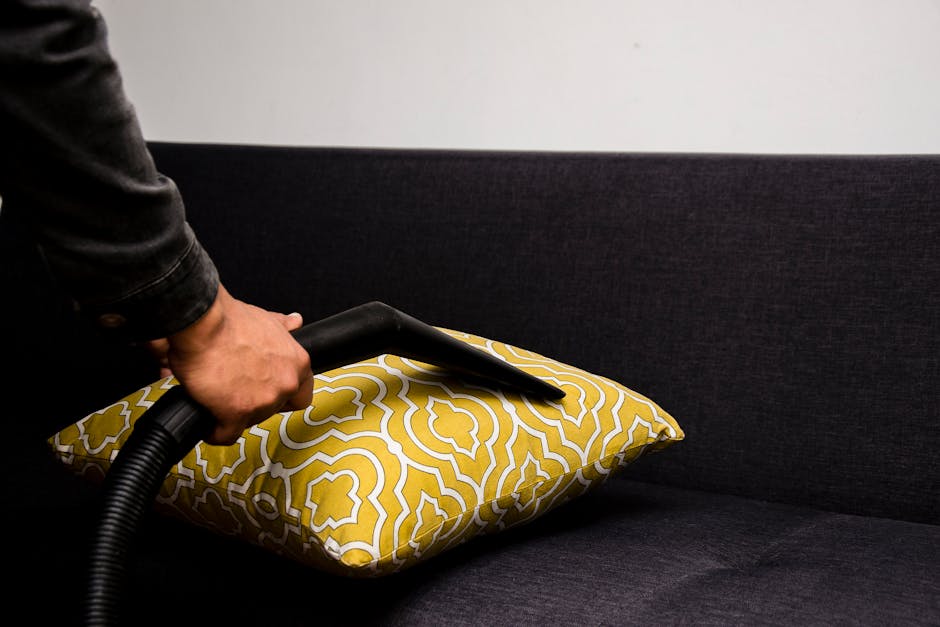
Primrose Hill upholstery cleaning and stain help Camden

If a sofa arm has picked up a coffee ring, a dining chair has seen one too many dinner mishaps, or a favourite armchair is looking tired around the edges, you are not alone. Primrose Hill upholstery cleaning and stain help Camden is the sort of service people usually search for when everyday life has finally caught up with their furniture. And to be fair, it happens fast: a splash here, a bit of body oil there, then suddenly the room feels less fresh than it should.
This guide explains how upholstery cleaning and stain help works in Camden, what to expect from the process, how to protect delicate fabrics, and when professional support is worth it. You will also find practical steps, mistakes to avoid, and a simple checklist so you can make a sensible decision without the guesswork.
- Why it matters
- How it works
- Key benefits
- Who it is for
- Step-by-step guidance
- Expert tips
- Common mistakes
- Tools and resources
- Compliance and best practice
- Options and comparison
- Real-world example
- Checklist
- Conclusion
- FAQs
Why Primrose Hill upholstery cleaning and stain help Camden Matters
Upholstery is not just decoration. It is where people sit, spill things, stretch out after work, and, if we are honest, sometimes eat biscuits they probably should not. Over time, that adds up. Fabric holds dust, allergens, food residue, pet marks, body oils, and the odd mystery stain that no one wants to claim.
In a place like Primrose Hill and wider Camden, homes often mix older furniture, compact living spaces, and busy day-to-day routines. That combination is exactly where stains can become more noticeable. Natural light from large windows can make marks on pale fabric stand out more than they would elsewhere. A mark you barely noticed yesterday can feel impossible to ignore by Friday morning.
Good upholstery care matters because it helps furniture look presentable for longer, supports a fresher indoor feel, and can slow down wear that starts at the surface. It also matters for comfort. A clean sofa simply feels better to use. The room feels calmer too. Small thing, maybe. But you notice it.
There is also a practical side. Some stains get worse when they are rubbed in or treated with the wrong product. Water alone can leave tide marks. Strong cleaning products can bleach a dye or damage delicate fibres. That is why stain help should be approached carefully, not with panic and a random bottle under the sink.
If you want a fuller look at fabric care beyond stains alone, the main upholstery cleaning service is a useful starting point, while stain removal support is best for targeted problem spots. The two often go hand in hand.
Expert summary: Upholstery cleaning works best when it is matched to the fabric, the stain type, and the age of the mark. Quick action helps, but the right action helps more.
How Primrose Hill upholstery cleaning and stain help Camden Works
A proper upholstery clean is not just "spray and scrub". That usually goes badly. A sensible service begins with identifying the material. Cotton, wool blends, velvet, synthetics, linen, microfibre, and leather each react differently to moisture, agitation, and detergents. Even within the same sofa, the seat cushions and trim may need different handling.
The next step is inspection. A cleaner will normally check for wear, colour fastness, visible stains, odours, and any weak stitching or damaged seams. If a stain looks old, the aim is to reduce its appearance safely rather than force a dramatic cure. Truth be told, not every stain disappears completely. Honest expectations help here.
From there, the method is selected. Some fabrics suit low-moisture techniques. Others respond well to hot water extraction. Sensitive or fitted upholstery may require careful pre-treatment and controlled drying. The process usually includes:
- Vacuuming to remove loose dust and grit.
- Testing a small hidden area for colour stability.
- Applying fabric-safe pre-treatment to targeted stains.
- Using the chosen cleaning method with controlled moisture.
- Rinsing or neutralising residue where appropriate.
- Drying and final grooming of the fabric pile.
Stain help can also include specific treatment for food spills, drink marks, pet accidents, makeup, ink, and general discolouration. If odour is part of the problem, especially with pets, a specialised approach may be needed. In that case, pet stain and odour removal is often the more relevant route.
If you are comparing furniture care with other soft furnishing cleaning needs, the related services for sofa cleaning, curtain cleaning, and rug cleaning can be useful to explore as part of one wider refresh. It is often more efficient to deal with the room as a whole.
Key Benefits and Practical Advantages
There are obvious reasons people book upholstery cleaning, and then there are the quieter benefits that show up a week later. The obvious one is appearance: stains look less dominant, colours look clearer, and the room feels looked after. The quieter one is that furniture can feel less sticky, less dusty, and more comfortable to live with.
Here are the main practical gains:
- Better appearance: visible spots, dull patches, and everyday grime are reduced.
- Improved freshness: stale smells from food, pets, or general use are tackled more effectively.
- Longer furniture life: dirt acts a bit like fine sandpaper, so removing it helps reduce wear.
- Safer fabric care: professional methods are designed around the material, not guesswork.
- Better indoor comfort: the room feels cleaner and more inviting, which honestly changes how you use it.
For households with children or pets, the value is even more obvious. Spills happen. Mud gets brought in. Chocolate gets pressed into cushions in a moment of chaos. It is not about being perfect. It is about keeping things manageable before the marks settle in.
There is also value in avoiding costly mistakes. A cheap spray from a supermarket might seem like the quickest route, but if it leaves a ring, sets the stain, or damages the pile, the repair job can become more difficult. Sometimes the "quick fix" is the expensive one. Bit annoying, but true.
Who This Is For and When It Makes Sense
Primrose Hill upholstery cleaning and stain help Camden makes sense for a wide range of people, but especially for anyone whose furniture is starting to look tired for reasons that are not just age. If the frame is sound but the fabric has lost its freshness, cleaning is usually the smart middle ground before replacement.
This service is especially useful if you:
- have a visible stain that has not responded to gentle spot treatment;
- need to remove day-to-day soil from sofas, chairs, or ottomans;
- live with pets and want to address odour or fur-related build-up;
- are preparing a property for letting, sale, or guests;
- run a small office, studio, or hospitality space and need soft furnishings to look presentable;
- have delicate fabrics and do not want to risk DIY damage.
It is also worth considering when a stain is old enough that the surrounding fabric has darkened or faded unevenly. That kind of mark is tricky because the issue is not just the spot itself, but the contrast around it. A trained cleaner can often blend the area more naturally.
Not every stain needs immediate panic. Some need time, ventilation, and the right process. Others need speed. If a spill is fresh, blotting and restraint matter more than enthusiasm. Nobody likes to hear that, but it saves sofas.
Step-by-Step Guidance
If you are dealing with upholstery stains in Camden, the best approach is calm and methodical. Here is a practical sequence that works far better than rubbing at it with hope and a tea towel.
- Identify the fabric if you can. Check labels, care tags, or any manufacturer notes. Knowing whether the item is synthetic, natural fibre, or a blend changes everything.
- Blot, do not scrub. Use a clean white cloth or paper towel to lift as much of the spill as possible. Press gently. Scrubbing pushes the stain deeper and can rough up the fibres.
- Avoid over-wetting. Water is useful in moderation. Too much can spread the mark, cause rings, or leave the cushion damp for ages.
- Test any product in a hidden area. A small patch on the back or underside can prevent a very awkward surprise.
- Use the right treatment for the stain type. Protein stains, oily marks, tannin spills, and dye transfer behave differently. Coffee is not ink. Red wine is not grease. The chemistry matters.
- Let the fabric dry properly. Open windows if appropriate, use airflow, and avoid sitting on it too soon. Mid-afternoon is often a better time to start than late evening, just because drying is easier when the room is active.
- Escalate when needed. If the mark remains, smells, or changes colour, stop experimenting and get specialist advice.
For deeper cleaning of the furniture itself, the dedicated upholstery cleaning page gives a useful overview of the service approach. If the problem is mainly a stubborn mark rather than a full refresh, targeted stain removal is the more relevant route.
Expert Tips for Better Results
There are a few habits that make a real difference. Nothing flashy. Just the kind of practical detail that saves time later.
- Tackle stains early. A fresh spill is always easier than a week-old patch that has dried into the pile.
- Use white cloths. Coloured cloths can transfer dye, which is a frustrating extra problem nobody asked for.
- Work from the outside in. This helps stop the stain spreading outward and making a bigger mess.
- Keep cleaning products minimal. More product does not mean better cleaning. Often it means more residue.
- Vacuum before any wet treatment. Grit can get dragged around and damage the fibres during cleaning.
- Be cautious with velvet and delicate weaves. These can bruise or mark easily. They need patience.
- Plan drying time realistically. If the room is cold or poorly ventilated, factor that in. Fabric that feels "almost dry" can still be damp inside.
A small but important detail: if a cushion cover is removable, do not assume it can be washed at home. Some covers shrink, distort, or lose shape. That happens more often than people expect. A slightly uneven cushion can make an entire sofa look off, which is maddening after all that effort.
If your home also needs broader textile care, consider pairing upholstery work with carpet cleaning so dust and spill residue are dealt with across the room rather than in isolation. That often gives the cleanest overall result.
Common Mistakes to Avoid
The biggest upholstery mistakes are usually made in a hurry. There is a stain, someone reaches for the strongest product they can find, and things spiral. Happens all the time.
- Rubbing aggressively: this pushes stains deeper and can distort the weave.
- Using too much water: over-wetting often causes rings, slow drying, and hidden damp.
- Skipping a fabric test: even "gentle" products can affect colour or texture.
- Using bleach or harsh solvents: these can strip colour or leave permanent damage.
- Mixing products: that is a bad idea on nearly every fabric.
- Ignoring odour: if a spill smells, there may be residue below the surface.
- Waiting too long: old stains are far harder to manage and may need multiple stages of treatment.
One slightly sneaky mistake is assuming a stain is gone because it disappears while the fabric is still damp. Then, as it dries, the mark reappears. Annoying, yes. But common. True cleaning is judged after drying, not while the sofa is still looking optimistic.
If you are dealing with a larger problem, or if multiple pieces need attention, the broader stain removal service can be more useful than trying to spot treat item by item for hours.
Tools, Resources and Recommendations
You do not need a cupboard full of gadgets to care for upholstery well. In fact, having fewer, better-chosen items is usually smarter. A small, sensible kit goes a long way.
Useful household tools:
- soft upholstery brush
- clean white microfibre cloths
- vacuum with upholstery attachment
- plain absorbent paper towels
- spray bottle for light misting, used carefully
Practical recommendations:
- keep a hidden patch test area in mind before using any cleaner;
- blot spills as soon as they happen;
- rotate cushions where possible to even out wear;
- air rooms regularly to reduce stale smells;
- book deep cleaning before the furniture looks severely marked.
For homes with a mix of furniture and floor coverings, the most efficient clean often includes multiple services together. Rug cleaning is a good companion to upholstery work when the room shares the same day-to-day traffic. If curtains are holding dust and odour too, then curtain cleaning may be worth adding into the plan.
Some people also ask about fabrics in bedrooms and guest rooms. When mattress surfaces need attention as well, mattress cleaning is the related service to look at. It is the same general principle: treat the material carefully and match the method to the surface.
Law, Compliance, Standards, or Best Practice
Upholstery cleaning is not usually a heavily regulated consumer service in the way some specialist trades are, but there are still important standards and expectations to keep in mind. In the UK, good practice means clear communication, safe handling of cleaning products, appropriate insurance, and sensible care around client property.
From a customer point of view, useful signals of a reliable service include:
- clear explanations of what the treatment can and cannot do;
- careful use of product labels and safety guidance;
- attention to fabric-specific risks;
- transparent pricing and quotes;
- proper insurance and safety arrangements;
- respect for privacy, access, and property condition.
If you are letting someone into your home or business, it is fair to expect basic professionalism. That means punctuality, tidy work, and realistic advice rather than promises that sound too magical. A reputable provider should explain where stain removal is likely to improve a mark and where fading, dye loss, or fibre damage may limit the result.
For more about safety and service standards, the related pages on health and safety, insurance and safety, and terms and conditions are worth reviewing. If you are comparing costs or checking what is included, pricing and quotes gives a sensible overview of how enquiries are handled.
Best practice is also about sustainability. Where possible, a cleaner should use methods that reduce waste, avoid unnecessary product overload, and handle wastewater responsibly. That sort of detail may not sound glamorous, but it matters. It really does.
Options, Methods, or Comparison Table
Different stains and fabrics call for different approaches. Here is a simple comparison that helps narrow down what may be appropriate.
| Method | Best for | Strengths | Watch-outs |
|---|---|---|---|
| Gentle spot treatment | Fresh, small spills | Fast, low disruption | Can spread marks if overused |
| Low-moisture cleaning | Delicate upholstery | Lower drying time, fabric-safe | May need more than one pass |
| Hot water extraction | Heavier soil on suitable fabrics | Deep cleansing, strong overall refresh | Not ideal for all materials |
| Odour-focused treatment | Pet accidents or lingering smells | Targets odour source, not just surface | Needs proper diagnosis first |
| Full upholstery cleaning | Multiple marks or tired fabric | Best overall finish | Takes more time and planning |
The key point is simple: the best method is not the strongest one. It is the one that suits the fabric and the stain. That is where experience pays off, because the difference between "cleaned" and "cleaned properly" can be quite large.
Case Study or Real-World Example
A typical Camden scenario goes like this. A family in a Primrose Hill flat notices a pale sofa becoming patchy after a mix of everyday use, snacks, and one unfortunate drink spill. At first, they try blotting the mark with a damp cloth. That removes the surface sugar but leaves a faint ring. Then they try a shop-bought spray, which seems to help until the area dries and the stain edge becomes more visible.
By the time the furniture is inspected properly, there are two problems: a set-in drink mark on one cushion and a general dullness across the seating area from daily traffic. The sensible response is not more scrubbing. It is a targeted clean matched to the fabric. The stain is pre-treated carefully, the sofa is cleaned with controlled moisture, and the drying is managed so the fibre pile settles evenly.
The result is rarely "like brand new" in a fairy-tale sense. Real furniture has wear. But the sofa can look a lot fresher, the stain can be reduced, and the room feels less heavy. That is usually the real win.
And yes, sometimes the best outcome is simply getting back to a sofa you are not embarrassed to have guests sit on. Small victory. Still a victory.
Practical Checklist
Use this before booking or tackling a stain yourself:
- Have you identified the fabric type if possible?
- Do you know what caused the stain?
- Is the stain fresh, semi-set, or old?
- Have you blotted rather than rubbed?
- Have you tested any cleaner in a hidden area?
- Is the furniture likely to need low-moisture or deeper cleaning?
- Do you need odour treatment as well as stain treatment?
- Are there pets, children, or high-traffic conditions affecting the fabric?
- Do you need more than one item cleaned in the same visit?
- Have you reviewed service details and asked for a quote?
Quick takeaway: if the stain is new, move carefully and keep it dry-ish. If it is old, embedded, or smells, treat it as a specialist job rather than a DIY experiment. That usually saves time and avoids making a small problem bigger.
Conclusion
Primrose Hill upholstery cleaning and stain help Camden is really about restoring comfort, presentation, and peace of mind. Most people do not want miracles. They want their sofa, chair, or cushions to look and feel cared for again without risking further damage. That is a sensible goal, and a very achievable one when the fabric is treated properly.
Whether you are dealing with a fresh coffee spill, pet-related odour, or furniture that has simply lost its spark, the best approach is calm, fabric-aware, and practical. Choose the right method, avoid harsh shortcuts, and look for honest guidance about what can realistically be improved. Little by little, the room comes back to life.
Get a free quote today and see how much you can save.
And if you are still weighing up your options, start with the service pages that match your situation best, then go from there. A cleaner home is not a luxury line in the sand; sometimes it is just the relief of sitting down at the end of the day and liking the sofa again.
Frequently Asked Questions
How often should upholstery be professionally cleaned in Camden?
It depends on use, fabric type, pets, and whether the furniture sits in a busy living space. For a heavily used sofa, regular professional cleaning is often worth considering before grime builds up. In quieter rooms, less frequent cleaning may be enough. The best timing is usually when the fabric starts to look tired, not after it becomes obviously marked.
Can all upholstery stains be removed completely?
Not always. Some stains are reduced rather than fully removed, especially if they have been left for a long time, heat-set, or treated with the wrong product beforehand. Colour loss, dye transfer, and fibre damage can also limit the result. A good cleaner should explain this honestly before starting.
Is steam cleaning safe for upholstery?
Sometimes, but not for every fabric. Steam or hot water extraction can work well on suitable materials, but delicate upholstery may need a lower-moisture approach. The fabric label, construction, and stain type all matter. Steam is a tool, not a universal fix.
What should I do immediately after spilling coffee on a sofa?
Blot it gently with a clean white cloth or paper towel. Do not scrub. Avoid pouring lots of water onto the area. If the stain is still wet, keep lifting rather than rubbing. Then assess whether the fabric is suitable for a cautious spot treatment or whether it needs professional stain help.
Why does a stain sometimes come back after cleaning?
That usually happens because residue remained in the fabric or the stain wicked up from deeper in the cushion as it dried. It can also happen if the area was over-wet. Drying patterns can be sneaky, honestly. A proper clean should include controlled moisture and proper drying to reduce that risk.
Can pet odours be removed from upholstery?
Often yes, but it depends on how deep the contamination goes. Surface odours are easier to treat than marks that have reached the cushion filling. If the issue is pet-related, a service focused on pet stain and odour removal is usually the better fit than general cleaning alone.
Is it worth cleaning a sofa before replacing it?
Very often, yes. If the frame and comfort level are still good, cleaning can make the furniture feel new enough for much less than replacement. You will notice the difference most in everyday use: the room feels fresher and the sofa looks more intentional again.
Do I need to move furniture before a visit?
Some light preparation helps, but exact expectations depend on the item and access. It is usually sensible to clear loose items such as cushions, throws, and ornaments from the area. If a heavy piece cannot be moved, that can often be discussed in advance.
What fabrics need the most caution?
Velvet, silk, linen blends, some wool-rich textiles, and older upholstered pieces often need extra care. That does not mean they cannot be cleaned. It means the process should be chosen carefully and tested first. Delicate fabrics are where patience matters more than speed.
How can I keep upholstery cleaner for longer after treatment?
Vacuum it regularly, deal with spills quickly, rotate cushions if possible, and avoid eating or drinking carelessly on the most delicate seating. Fresh air helps too. The boring habits are the ones that really work, annoyingly enough.
What is the difference between sofa cleaning and stain removal?
Sofa cleaning focuses on the whole item: soil, dullness, freshness, and general upkeep. Stain removal is more targeted and deals with a specific mark or problem area. In many cases, both are used together. If the stain is the main issue, targeted treatment comes first; if the whole piece looks tired, full cleaning is usually the better starting point.
How do I know if a cleaner is using the right approach?
They should ask about the fabric, explain the likely method, mention any risks, and be careful about promises. If the approach sounds one-size-fits-all, that is a warning sign. Upholstery care is more about judgment than gadgets, really.
Can I combine upholstery cleaning with other home cleaning services?
Yes, and that is often sensible. Many people pair upholstery work with carpets, rugs, or curtains so the room feels consistently refreshed. If your floors need attention too, carpet cleaning and rug cleaning can complement upholstery care well.
Where can I get help with pricing, safety, or booking details?
If you want to compare service information before booking, the pages on pricing and quotes, payment and security, and contact us are the most practical next stops. They help you understand the process without any fluff.