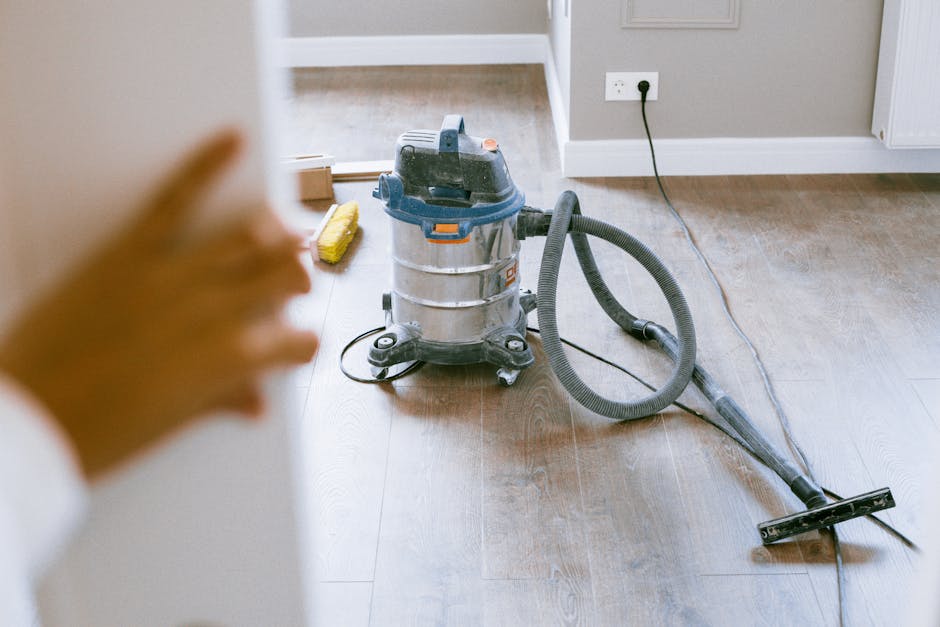
NW1 Flat Deep Cleaning Guide for Camden Renters
If you rent in NW1, you already know the game: narrow hallways, busy schedules, the odd bit of damp air after a week of closed windows, and a flat that somehow collects dust faster than you can deal with it. This NW1 flat deep cleaning guide for Camden renters is here to make the whole process feel manageable. Whether you are preparing for an end of tenancy inspection, refreshing a long-lived rental, or just trying to get back to a home that feels clean again, the right approach matters.
Deep cleaning a flat is not the same as a quick tidy or a surface wipe. It means going room by room, tackling hidden grime, and dealing with the places tenants often forget until the last minute. The good news? If you break it down properly, it is not a nightmare. A bit of structure goes a long way.
In this guide, you will find practical steps, realistic expectations, common mistakes, and a few local-specific pointers that make sense for Camden renters. And yes, there will be a checklist. Because let's face it, nobody wants to remember skirting boards at 10:45 pm the night before checkout.
Table of Contents
- Why It Matters
- How Deep Cleaning Works
- Key Benefits and Practical Advantages
- Who This Is For and When It Makes Sense
- Step-by-Step Guidance
- Expert Tips for Better Results
- Common Mistakes to Avoid
- Tools, Resources and Recommendations
- Law, Compliance, Standards, or Best Practice
- Options, Methods, or Comparison Table
- Case Study or Real-World Example
- Practical Checklist
- Conclusion
- Frequently Asked Questions
Why NW1 flat deep cleaning guide for Camden renters Matters
Deep cleaning matters in NW1 for a few very practical reasons. Camden flats are often compact, older, and used hard. That means more traffic in fewer square metres, more wear on carpets and upholstery, and more dust settling into corners, edges, and fabric surfaces. If you live near a busy road, you may also notice grime building up on windowsills and around vents faster than you expected. Not ideal, but normal enough.
For renters, deep cleaning is especially important when you are moving out or preparing for a landlord inspection. Deposit deductions can happen when a property is left in a poor state, even if it was fine day-to-day. A decent deep clean helps show that you have taken reasonable care of the flat. It also gives you a chance to spot small issues before they turn into bigger ones, like mould around shower seals, staining under furniture, or a smell that turns out to be a hidden spill rather than the flat itself being "just old."
There is also the simple comfort factor. A truly cleaned flat feels different. The air smells lighter, the kitchen feels less sticky, and the whole place just settles. After a deep clean, even your kettle sounds a little more cheerful. Strange, but true.
If your rented home includes fabric furnishings, rugs, or worn carpets, it can also make sense to think beyond the basics and consider services like carpet cleaning, upholstery cleaning, or steam carpet cleaning when the job needs a more thorough finish than DIY alone can usually provide.
How NW1 flat deep cleaning guide for Camden renters Works
A proper flat deep clean works best when you treat it like a sequence rather than one giant job. Start with clutter removal, move to dust and dry debris, then attack wet cleaning and detail work. That order matters. If you wipe a dusty surface with a damp cloth too soon, you just make a grey smear and annoy yourself. Been there.
In practice, the method usually looks like this: identify the rooms, split each room into zones, use the right product for the right surface, and finish with a final check from top to bottom. Top to bottom is the golden rule. Clean high shelves, lights, and tops of cabinets first, then work down to switches, handles, counters, skirting, and floors. That way, dust falls to where you have not cleaned yet.
For Camden renters, the best results often come from focusing on the most lived-in areas first: kitchen, bathroom, living room, and hall. Bedrooms are usually simpler, unless you have stained carpets, heavy dust build-up, or fabric items that need more attention. If that sounds like your place, the specialist pages on mattress cleaning, curtain cleaning, and rug cleaning can be useful to understand where extra effort is worth it.
Expert summary: The best flat deep clean is not the one that looks impressive for ten minutes. It is the one that removes the hidden dirt, freshens the air, and makes the whole property feel properly reset.
Key Benefits and Practical Advantages
There is more to a deep clean than "making it look nice." For renters, the benefits are practical, financial, and honestly a bit emotional too. A cleaner flat is easier to live in, easier to inspect, and easier to hand back when your tenancy ends.
- Better deposit protection: A flat that is properly cleaned is less likely to trigger avoidable checkout disputes.
- Less stress before moving: If you leave cleaning until the final weekend, everything feels harder. If you plan ahead, it is much calmer.
- Improved hygiene: Deep cleaning reduces built-up grease, dust, and stubborn residue in high-touch areas.
- Better smell and freshness: This matters more than people admit. Odours can linger in carpets, sofas, and soft furnishings long after visible marks are gone.
- Longer life for surfaces: Regular removal of grime helps protect flooring, bathroom fittings, and upholstery.
- Clearer snag spotting: Once the flat is clean, you can see any maintenance issues that need reporting.
Another plus: deep cleaning helps renters avoid the awkward "I thought that was already clean" conversation. Nobody enjoys those. If you are dealing with stubborn odours, pet-related marks, or older staining, specialist help can make a noticeable difference. In those cases, pet stain odour removal or stain removal may be more efficient than repeated scrubbing at home.
Who This Is For and When It Makes Sense
This guide is for Camden renters in NW1 who need a practical, realistic deep clean plan. That could mean a student flat, a shared house, a one-bedroom apartment, or a family rental that has simply collected the normal mess of everyday living. If you are in a flat with older fittings, textured bathroom seals, or older carpets, it makes even more sense to clean methodically because grime tends to hide where you least expect it.
It makes sense to do a deep clean when:
- you are nearing the end of your tenancy
- you have just moved in and want a reset
- you are hosting guests or family and want the place to feel fresh
- you have had a spill, smoke smell, pet accident, or food stain
- the flat has not had a proper top-to-bottom clean for a while
Sometimes renters assume a quick vacuum and a bathroom wipe will be enough. Truth be told, that often only handles the visible layer. If the place has fabrics, carpets, curtains, or upholstered furniture, the real dirt lives elsewhere. That is where services such as sofa cleaning and upholstery cleaning can come into play, especially in flats where furniture has absorbed years of everyday use.
And if your flat is part of a more complex building with shared access or stricter building rules, it is worth being a bit organised about timing and access. Small thing, big difference.
Step-by-Step Guidance
Here is a simple, effective way to deep clean a NW1 rental flat without losing the plot halfway through.
1. Start with a clear-out
Remove clutter from floors, counters, windowsills, and under beds. Deep cleaning is much easier when surfaces are visible. Put things into categories: keep, bin, donate, relocate. If you try to clean around piles of stuff, you will miss areas and waste energy.
2. Open windows where possible
Airing the flat helps clear stale smells and makes the space feel less stuffy. Camden flats can hold onto smell surprisingly well, especially after cooking or rainy weather. Even ten or fifteen minutes of fresh air helps. Just keep an eye on noise and road dust if you are near a busy street.
3. Work from ceiling to floor
Dust light fittings, tops of cabinets, shelves, picture rails, and skirting. Then clean walls where needed, switches, handles, and door frames. Finally, move to floors. That order saves you from cleaning the same area twice. Which, frankly, nobody has time for.
4. Deep clean the kitchen carefully
The kitchen is usually the hardest room. Focus on grease, crumbs, splash marks, and hidden residue behind appliances. Clean the hob, extractor hood, sink, taps, cupboard handles, splashbacks, and the area around bins. Pull out removable items where practical and clean underneath and behind them.
If your kitchen has stubborn marks on tiles, splashbacks, or hard surfaces, use the right cleaner for the material and avoid harsh scrubbing that can damage finishes. When grease has built up over months, slow and steady is better than aggressive and patchy.
5. Deep clean the bathroom thoroughly
Bathrooms need a careful touch. Limescale, soap scum, mould around seals, and grime in corners are all common. Focus on the toilet base, behind the toilet, taps, shower glass, grout lines, and around the sink. Use proper ventilation while cleaning, especially if products are involved.
If there is visible mould or damp-related staining, handle it carefully and report any recurring problem to the landlord or letting agent. Cleaning can help, but it should not be used to hide a structural issue.
6. Deal with soft furnishings and fabrics
Rugs, sofas, mattresses, and curtains gather dust and odour more than many renters realise. A room can look tidy and still feel a bit stale because fabric is holding onto particles. Vacuum thoroughly first. Then spot-treat stains and consider whether a deeper professional clean is worthwhile for larger items.
For a lot of NW1 renters, fabric care is where the biggest visual improvement happens. If a sofa looks dull, a rug has tracked-in dirt, or a mattress has absorbed years of use, the flat instantly feels less "rental" and more lived-in in a good way.
7. Finish with floors and details
Vacuum carpets carefully, get into edges and under furniture, and mop hard floors with a cleaner suitable for the material. Then go back for the detail work: skirting boards, thresholds, cupboard doors, radiators, and the tops of internal doors. These are the spots people forget.
8. Do a final inspection in daylight
If possible, look over the flat in daylight or strong natural light. Evening lighting hides a lot. Daylight shows streaks on glass, dust near edges, and missed marks on paintwork. If you are leaving the property, this final check can save you from a last-minute panic later on.
Expert Tips for Better Results
Small habits make a huge difference in a deep clean. You do not need a cupboard full of products. You need the right order, patience, and a decent eye for detail.
- Test cleaners in a hidden spot first: Especially on painted surfaces, fabric, and delicate flooring.
- Use microfibre cloths: They lift dust well and are less likely to leave lint behind.
- Let cleaners dwell for a minute: This helps break down grease and soap film before wiping.
- Vacuum before wet cleaning: Otherwise you just make muddy residue.
- Focus on touch points: Handles, switches, taps, and remote controls collect oils quickly.
- Don't over-wet carpets or upholstery: Too much moisture can lead to lingering damp or odour.
A useful trick in smaller flats is to clean one room completely before moving on to the next. That way you can see progress. In a compact NW1 rental, progress is motivating. You clean the kitchen, and suddenly the whole place feels less chaotic. Nice little morale boost, that.
If you are unsure whether to DIY or outsource a particular item, compare the cost of your time, the condition of the item, and the result you need. A badly stained rug, for example, can sometimes be restored better with professional care than with repeated home attempts. The same goes for older mattresses and heavily used sofas.
Common Mistakes to Avoid
Most deep-cleaning mistakes are very ordinary. That is the annoying part. They are easy to make and equally easy to avoid once you know what to look for.
- Cleaning in the wrong order: If you mop first and dust after, you have just created more work.
- Using one product for everything: Different surfaces need different care. What works on tiles may not suit wood or fabric.
- Forgetting hidden spaces: Behind radiators, under appliances, and around bin areas are classic problem spots.
- Leaving stains too long: The longer a mark sits, the harder it is to remove cleanly.
- Ignoring odours: A flat can look spotless and still fail the freshness test.
- Not drying properly: Damp corners, rugs, and upholstery can develop a musty smell if rushed.
One of the most common rental mistakes is assuming a checkout clean is the same as a normal home clean. It is not. A checkout clean needs more attention to detail, especially in areas landlords and agents inspect closely. If you are trying to match the finish expected in a rental handover, consider whether specialist support like steam carpet cleaning or carpet cleaning could close the gap faster and more reliably than DIY alone.
Tools, Resources and Recommendations
You do not need fancy kit, but a sensible set of tools makes everything smoother. The basics are often enough for a solid clean.
| Tool or Item | Best Use | Why It Helps |
|---|---|---|
| Microfibre cloths | Dusting, wiping, polishing | They lift dust well and reduce smearing |
| Vacuum with attachments | Floors, edges, upholstery, corners | Useful for compact flats and awkward spaces |
| Mop and bucket | Hard floors | Helps remove residue after vacuuming |
| Soft brush | Grout, skirting, vents | Good for detail work without damage |
| Non-abrasive cleaner | Kitchen and bathroom surfaces | Safer for everyday finishes |
| Stain treatment product | Spot cleaning marks and spills | Useful for fabrics and carpets |
In some flats, the smarter move is to combine your own effort with one or two specialist services rather than trying to do everything yourself. For example, you might handle the kitchen, bathroom, and clutter clearance, then book professional help for soft furnishings or especially stubborn stains. That is often a better use of time than fighting one carpet mark for two hours and winning nothing.
If you want to understand the broader service approach, the site pages on pricing and quotes, insurance and safety, and health and safety policy may help you weigh up what a professional clean includes and what standards matter. For renters, that reassurance is not just nice to have. It is useful.
Law, Compliance, Standards, or Best Practice
For Camden renters, the main thing is to follow the terms of your tenancy and leave the property in the condition required by the agreement, allowing for fair wear and tear. That phrase matters. Normal wear and tear is not the same as neglect. Light carpet flattening or a bit of age in paintwork is usually different from heavy staining, baked-on grease, or missed hygiene issues.
Best practice is to keep evidence of what you cleaned, especially if you are leaving a flat. Photos can be useful. So can receipts if you book a professional service. If a landlord or letting agent raises a point, calm records help more than memory ever will. Honestly, memory is a slippery thing when you are moving house.
When dealing with gas, electricity, strong products, or awkward access, safety comes first. Do not mix cleaning chemicals. Do not use too much water around electrical fittings. And if mould, leaks, or structural damp are showing up again and again, cleaning alone will not fix the source. In those situations, it is better to report the issue promptly and keep your cleaning focused on presentation and hygiene rather than pretending the problem is gone.
Professional cleaning standards also tend to follow practical norms: suitable equipment, careful surface treatment, safe handling of products, and clear communication about what can realistically be removed. That is why it helps to choose providers with solid documentation and a straightforward complaints process if you ever need it. For peace of mind, the pages on terms and conditions and complaints procedure are worth reading before you book anything.
Options, Methods, or Comparison Table
There are usually three ways Camden renters tackle a deep clean: do it all yourself, split it between DIY and specialist help, or book a full professional clean. Each option has its place.
| Method | Best For | Pros | Trade-Offs |
|---|---|---|---|
| DIY deep clean | Smaller jobs, routine refreshes, tight budgets | Cheaper, flexible, immediate | Time-consuming, limited by tools and experience |
| Hybrid approach | Move-outs, stained soft furnishings, mixed-condition flats | Balanced cost and result, practical for busy renters | Needs planning and coordination |
| Professional clean | End of tenancy, difficult stains, carpets and upholstery | Efficient, thorough, good for stubborn dirt | Higher upfront cost than DIY |
If the flat has good bones and only needs a reset, DIY can be enough. If the carpets are tired, the sofa has seen better days, or the odour level tells a story you would rather not hear, a hybrid or professional route is usually smarter. Not glamorous, perhaps, but sensible.
Case Study or Real-World Example
Here is a realistic scenario. A renter in an NW1 one-bedroom flat has been there for two years. The kitchen has light grease buildup around the hob, the bathroom has some limescale on taps, the lounge carpet has a couple of food stains, and the sofa smells a bit stale after winter. Nothing dramatic. Just normal life, really.
They start with decluttering, then clean the kitchen and bathroom one day after work. The next morning, they vacuum thoroughly and treat the carpet stains. The sofa gets a deep vacuum and a proper fabric refresh. The curtains are left for a more careful clean because they have absorbed smoke from cooking and city dust over time. The flat looks better already, but the biggest change is actually the smell. It feels fresher, lighter, less boxed-in.
At the end, they notice a few small maintenance issues they had stopped seeing: a loose cupboard handle, a bathroom seal that needs attention, and a scuff behind a chair. Because the flat is clean, those issues are obvious. That is one of the less talked-about benefits of a deep clean. It makes the property honest.
In situations like this, combining self-cleaning with targeted specialist help can be the sweet spot. For example, a tenant might handle most surfaces themselves but bring in curtain cleaning or mattress cleaning for items that are awkward, heavy, or simply beyond a normal household clean.
Practical Checklist
Use this checklist before you call the job finished. Short, simple, and annoyingly effective.
- Remove clutter from all rooms
- Open windows and air the flat
- Dust from top surfaces down to skirting
- Clean kitchen grease, splash marks, and handles
- Scrub bathroom fittings, grout, and seals
- Vacuum carpets, edges, and under furniture
- Spot-treat visible stains on carpets or upholstery
- Clean or refresh soft furnishings where needed
- Wipe switches, door frames, and handles
- Mop hard floors with the correct cleaner
- Check behind and under appliances if possible
- Look over the flat in good daylight
- Take photos if you are leaving the property
If you tick off those items properly, you are already ahead of most rushed end-of-tenancy cleans. It is not about perfection. It is about consistency and attention where it counts.
Get a free quote today and see how much you can save.
Conclusion
A well-planned deep clean makes Camden renting a lot easier. It reduces stress, improves the look and feel of the flat, and helps you hand the property back in better shape. The trick is not to chase every tiny detail at once. Work in order, deal with the obvious problem areas first, and use specialist help where it genuinely adds value.
NW1 flats are often compact, busy, and full of character. That character comes with dust, scuffs, and the occasional mystery stain. Part of renting life, really. But with a sensible plan and a bit of patience, you can bring the place back to life without losing an entire weekend to scrubbing. And that, to be fair, is the sort of small win that feels bigger than it should.
Clean flat, clearer head. Simple as that.
Frequently Asked Questions
How often should Camden renters deep clean a flat?
Most renters benefit from a proper deep clean every few months, with high-use areas like kitchens and bathrooms cleaned more often. If you have pets, smokers, or lots of foot traffic, you may need to do it more frequently.
What is the difference between a deep clean and a standard clean?
A standard clean handles visible dirt and routine upkeep. A deep clean goes further, reaching hidden grime, buildup in corners, neglected edges, and items like upholstery or carpets that hold dirt over time.
Do I need professional cleaning before moving out of a Camden flat?
Not always, but it depends on the condition of the property and what your tenancy agreement says. If carpets, sofas, mattresses, or curtains need a stronger finish, professional help can be worth it.
Will a deep clean help with deposit return issues?
It can certainly reduce the risk of cleaning-related deductions. The key is to leave the property in a reasonable condition and keep evidence of the work if you are worried about disputes.
Can I deep clean a rented flat myself?
Yes, many renters do. A careful DIY clean can be effective if the property is not heavily stained or neglected. The main limits are time, equipment, and whether you can reach a professional finish on fabrics and carpets.
What are the hardest areas to deep clean in an NW1 flat?
Kitchens and bathrooms usually take the most effort. Hidden dust behind furniture, stained carpets, and odour trapped in soft furnishings are also common trouble spots in older or busy flats.
How do I deal with bad smells in a rental flat?
Start by identifying the source. Carpets, sofas, bins, drains, and mattresses are common causes. Ventilation helps, but lingering smells often need proper cleaning of the affected materials.
Are steam cleaning and carpet cleaning the same thing?
They are related but not always identical. Steam cleaning is a method that uses heat and moisture, while carpet cleaning is the broader service category. The right approach depends on the fibre, soil level, and drying time.
Should I clean curtains and mattresses during a flat deep clean?
Yes, if they are dusty, stained, or holding odour. These items are easy to overlook, but they make a big difference to how fresh the flat feels overall.
What should I check before booking a cleaning service?
Look at what is included, how access is handled, what payment terms apply, and whether the provider explains safety and complaints clearly. It is worth reading the practical pages on pricing, terms, and safety before you decide.
How long does a full flat deep clean usually take?
That depends on the size and condition of the flat. A small, tidy space may take a few hours, while a larger or neglected rental can take much longer, especially if carpets or upholstery need extra care.
What if I find mould or damage while cleaning?
Clean what you safely can, but do not try to disguise a recurring problem. Report mould, leaks, or structural damage to the landlord or agent and keep your own notes. Cleaning is useful, but it should not replace proper repairs.